



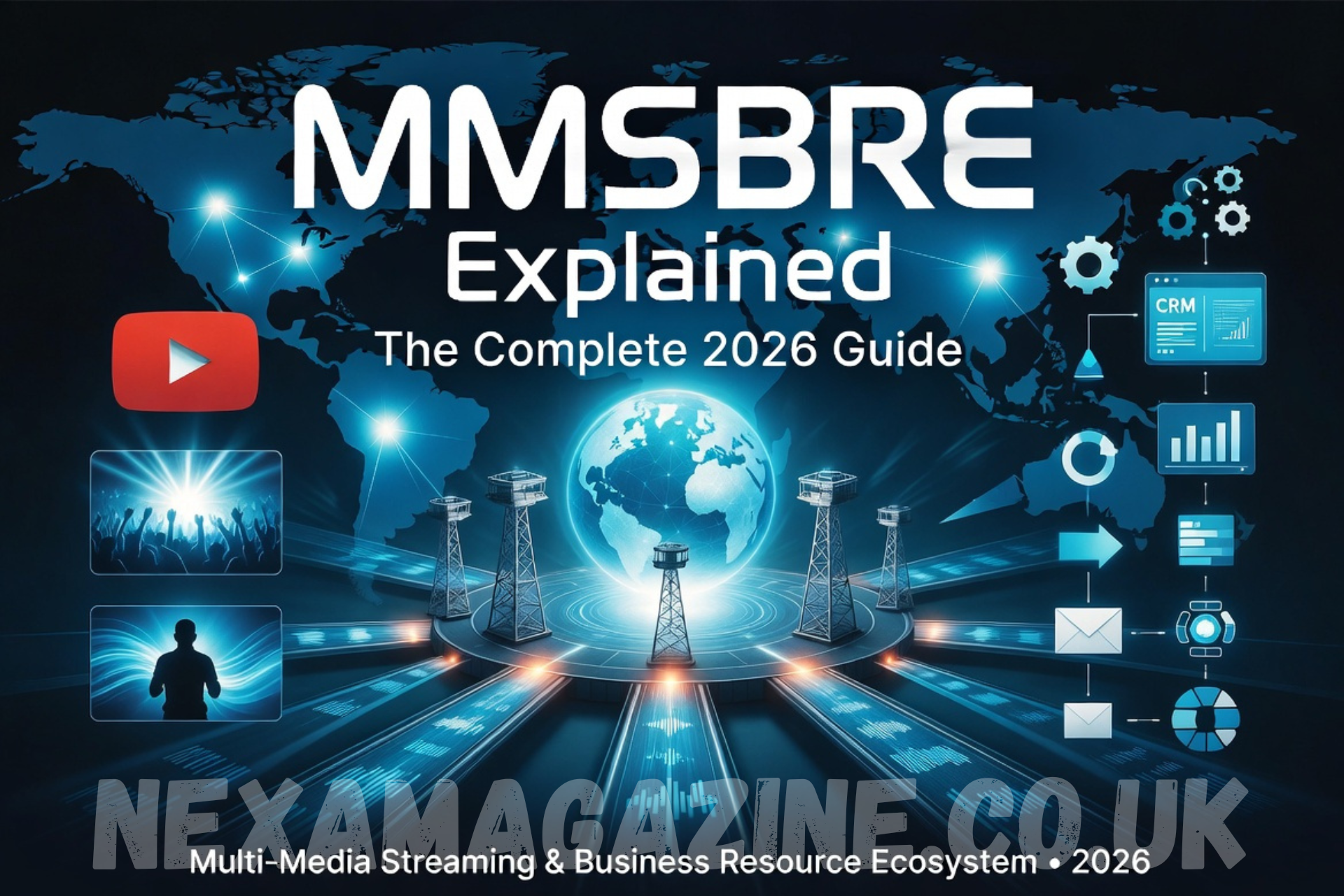
MMSBRE is becoming an increasingly discussed term in 2026, especially among users interested in media streaming, digital communication systems, and broadcast technologies. As online streaming infrastructure continues evolving, many people are searching for MMSBRE to understand its meaning, practical applications, and future relevance.
If you create content, run a business, manage digital projects, or just want to understand the infrastructure behind the videos and tools you use every day, getting a clear picture of MMSBRE can give you a real edge. In 2026, as live streaming explodes, remote teams multiply, and businesses demand more seamless operations, this framework is becoming more visible and valuable than ever. It quietly supports smooth experiences we often take for granted—like a buffer-free concert stream or automatic updates across your team’s apps.
In this guide, we’ll break it down simply and practically. You’ll learn what MMSBRE stands for, how it works in real life, who benefits most, and how you might apply its ideas to your own setup. No heavy jargon, just useful insights from someone who’s followed these trends closely.
-
Learn more about modern streaming systems and how they improve performance in our Streaming & Digital Media Insights section on Nexa Magazine.
Why MMSBRE Matters in 2026
The growth of live streaming, cloud broadcasting, remote collaboration, and multi-device media consumption has increased interest in systems related to MMSBRE. Businesses and creators now rely more heavily on stable multimedia environments that support fast and scalable digital communication.
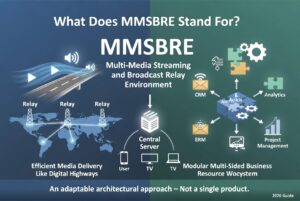
MMSBRE most commonly stands for Multi-Media Streaming and Broadcast Relay Environment. At its core, it refers to the behind-the-scenes infrastructure that handles the efficient delivery of video, audio, and other media content across networks, while also extending into modular business workflow systems.
Think of it like the highways and relay stations for digital content. Instead of one central server trying to serve millions of viewers (which would crash under pressure), MMSBRE uses multiple relay points spread across regions. Content is intelligently distributed and replicated across the network, ensuring users receive a smooth and uninterrupted experience regardless of their location.
In business contexts, it often evolves into something like a Modular Multi-Sided Business Resource Ecosystem—a flexible way to connect different tools, automate tasks, and keep operations running efficiently without constant manual work.
The beauty is its adaptability. It’s not one single product you buy off the shelf. It’s more of an architectural approach that different platforms and companies implement in ways that fit their needs.
Why MMSBRE Matters in 2026
By 2026, our digital lives have become even more interconnected. Live events draw massive online audiences, small creators run full businesses from laptops, and companies juggle dozens of tools daily. Fragmented systems cause delays, errors, and frustration.
MMSBRE addresses these pain points head-on. It creates resilient, connected environments where media flows reliably and workflows adapt in real time. This isn’t just nice-to-have—it directly impacts viewer satisfaction, team productivity, and bottom lines.
For example, during major global events, millions watch simultaneously without major outages because relay systems distribute the load. Businesses save hours weekly through smart automations that link email, projects, invoicing, and analytics.
Why it matters to you: Whether you’re a solo creator worried about stream quality or a manager tired of switching between apps, understanding MMSBRE helps you make better tech choices and future-proof your operations.
-
Discover more about ranking strategies and content optimization in our SEO Optimization Strategies article on Nexa Magazine.
The Streaming Power of MMSBRE
One of the most exciting sides of MMSBRE is its role in media delivery. Live streaming has grown enormously, but delivering high-quality video to thousands or millions without buffering or drops remains challenging.
MMSBRE’s relay environment shines here. Content starts at the source (a concert venue, studio, or your phone) and gets intelligently routed through distributed servers. If one relay faces issues—like network congestion—traffic reroutes automatically. Viewers rarely notice.
Key features include:
- Adaptive bitrate streaming: Video quality adjusts instantly to your connection speed for smooth playback.
- Geographic distribution: Relays closer to viewers reduce latency.
- Scalability: Handles sudden audience spikes gracefully.
Creators hosting webinars, gamers streaming gameplay, or brands running virtual events all benefit. A small setup might work for hundreds of viewers, but scaling to tens of thousands requires this kind of robust relay system.
I’ve seen creators go from frustrated buffering complaints to glowing feedback after implementing better relay strategies. The difference in retention and engagement is night and day.
MMSBRE for Business Operations and Workflows
Beyond streaming, MMSBRE principles transform how teams work. Modern companies use multiple specialized tools—project management, CRM, communication, analytics—that often don’t talk to each other well.
A modular MMSBRE-style system connects them. When a client emails approval, a task updates automatically. Completed projects trigger invoices. Real-time dashboards show what’s happening now, not last week.
Benefits include:
- Reduced manual data entry and errors.
- Faster decision-making with live insights.
- Easier scaling as your team or business grows.
- Better collaboration across remote or hybrid setups.
Small businesses especially love the modular aspect—you start small with key integrations and expand without overhauling everything.
How MMSBRE Works Behind the Scenes
At a high level, MMSBRE combines several technologies:
- Relay networks for content distribution.
- Automation layers for workflow triggers.
- Analytics and AI for predictive insights and optimizations.
- Security protocols built in from the start.
Data or media moves through interconnected nodes. The system monitors performance continuously, reroutes as needed, and learns from patterns to improve over time.
For streaming: Source → Encoding → Relays → Viewers (with adaptive adjustments).
For business: Tools A, B, C → Integrated platform → Automated actions and dashboards.
This interconnectedness is what sets it apart from standalone tools.
Real-World Examples and Case Studies
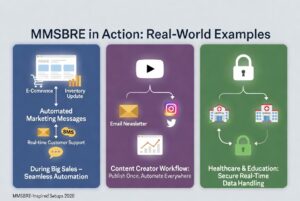
Consider an e-commerce brand during a big sale. Inventory updates trigger marketing messages, customer support gets real-time order info, and analytics feed future campaign planning—all seamlessly.
Or a content creator managing a YouTube channel and newsletter: Publishing a video automatically adds it to their email schedule, updates social posts, and pulls performance data into planning tools.
In healthcare or education, similar systems handle real-time data securely for better outcomes.
These aren’t futuristic dreams—they’re happening now with MMSBRE-inspired setups.
Common Challenges and How to Overcome Them
Adopting MMSBRE isn’t always plug-and-play. Common hurdles include:
- Initial setup complexity.
- Integration compatibility with legacy tools.
- Learning curve for teams.
- Cost for advanced features.
Start small. Identify one painful workflow or streaming issue, solve that, then expand. Choose user-friendly platforms with good support. Train your team gradually. Many solutions offer free tiers or trials to test the waters.
Security and data privacy are valid concerns—opt for systems with strong built-in encryption and compliance.
The Future of MMSBRE
As streaming technology, AI-driven communication, and cloud-based broadcasting continue expanding, systems associated with MMSBRE may become more important for businesses, creators, and online platforms. Experts expect multimedia infrastructure and relay technologies to play a larger role in digital experiences over the next few years.
In the coming years, expect deeper AI integration for even smarter predictions, wider adoption in emerging markets, and tighter standards for interoperability.
As 5G and edge computing advance, relay environments will deliver even lower latency. Creators and businesses will demand more transparency into these systems, pushing further visibility.
MMSBRE represents a shift toward resilient, flexible digital foundations—essential in an unpredictable world.
Quick Information Table
| Aspect | Details |
| Topic | MMSBRE (Multi-Media Streaming and Broadcast Relay Environment) |
| Category | Digital Infrastructure, Streaming, Business Workflows |
| Search Trend | Rising sharply in 2026 due to increased visibility in platforms and tech discussions |
| Main Focus | Reliable media delivery and modular operational efficiency |
| User Intent | Informational – understanding the concept, benefits, and applications |
| SEO Importance | High for tech, media, and business optimization queries |
| Best For | Content creators, small-medium businesses, digital teams, streaming operators |
| Industry Trend | Toward integrated, AI-enhanced, resilient digital systems |
Practical Tips for Getting Started with MMSBRE
- Assess your current pain points—buffering streams? Disconnected tools?
- Research platforms that support relay or modular integrations.
- Begin with 1-2 connections or a simple streaming setup.
- Monitor results and iterate.
- Stay updated via industry resources or a detailed guide on emerging standards.
For deeper dives, check our complete analysis of related tools in Nexa Magazine.
FAQs About MMSBRE
What does MMSBRE stand for exactly?
It primarily means Multi-Media Streaming and Broadcast Relay Environment, with business applications as a modular resource system.
Is MMSBRE a specific software or app?
No—it’s more of a framework or architecture. Different companies build tools based on these principles.
Who benefits most from MMSBRE?
Live streamers, content creators, remote teams, e-commerce operators, and any organization dealing with digital fragmentation.
Does it require advanced technical skills?
Not necessarily. Many user-friendly platforms hide the complexity while letting you enjoy the benefits.
Is MMSBRE secure?
Quality implementations include strong security by design, but always review features for your needs.
Why is everyone searching for MMSBRE in 2026?
Increased public visibility in URLs, docs, and discussions has sparked natural curiosity.
Can small businesses use it?
Absolutely. Modular designs make it accessible without big budgets.
How does it compare to traditional CDNs?
It builds on CDN ideas but adds workflow integration, real-time intelligence, and broader operational connectivity.
Will MMSBRE replace my current tools?
Not usually—it connects and enhances them.
Where can I learn more?
Explore case studies, try free trials, or read our in-depth resources.
Wrapping Up: Building Better Digital Experiences
MMSBRE might have started as an obscure term, but it represents something fundamentally important: systems designed for reliability, efficiency, and growth in our connected world. By understanding and thoughtfully applying its principles, you can deliver better content, run smoother operations, and reduce daily frustrations.
Whether you’re focused on flawless live streams or streamlined team workflows, the core ideas—modularity, connectivity, resilience—will serve you well. As technology evolves, staying informed about frameworks like this keeps you ahead.
Prioritize quality implementations, focus on real user needs, and build experiences people trust and enjoy. The future of digital is interconnected, and MMSBRE is one smart way to get there.
This article draws on ongoing industry observations and practical insights to help everyday users and professionals navigate 2026’s digital landscape. For the latest developments, keep exploring trusted sources and test what works for your unique situation.
Overall, MMSBRE represents the growing importance of reliable multimedia communication systems in the modern digital world. As internet usage and streaming demands increase, interest in technologies connected to MMSBRE is likely to continue rising throughout 2026 and beyond.
-
Example:
Emerging digital concepts such as Harouxinn and Puzutask com also reflect the growing demand for scalable online systems and smarter digital workflows.
