



Direct Answer Intro
Application Mobile DualMedia is becoming an increasingly discussed concept in 2026 as mobile apps continue evolving beyond simple single-format experiences. Modern users now expect video, audio, text, interactive tools, and cross-platform functionality inside one seamless application environment.
This guide explains what Application Mobile DualMedia means, how it works, its key features, real-world uses, and why businesses and creators are paying attention to this growing digital trend.
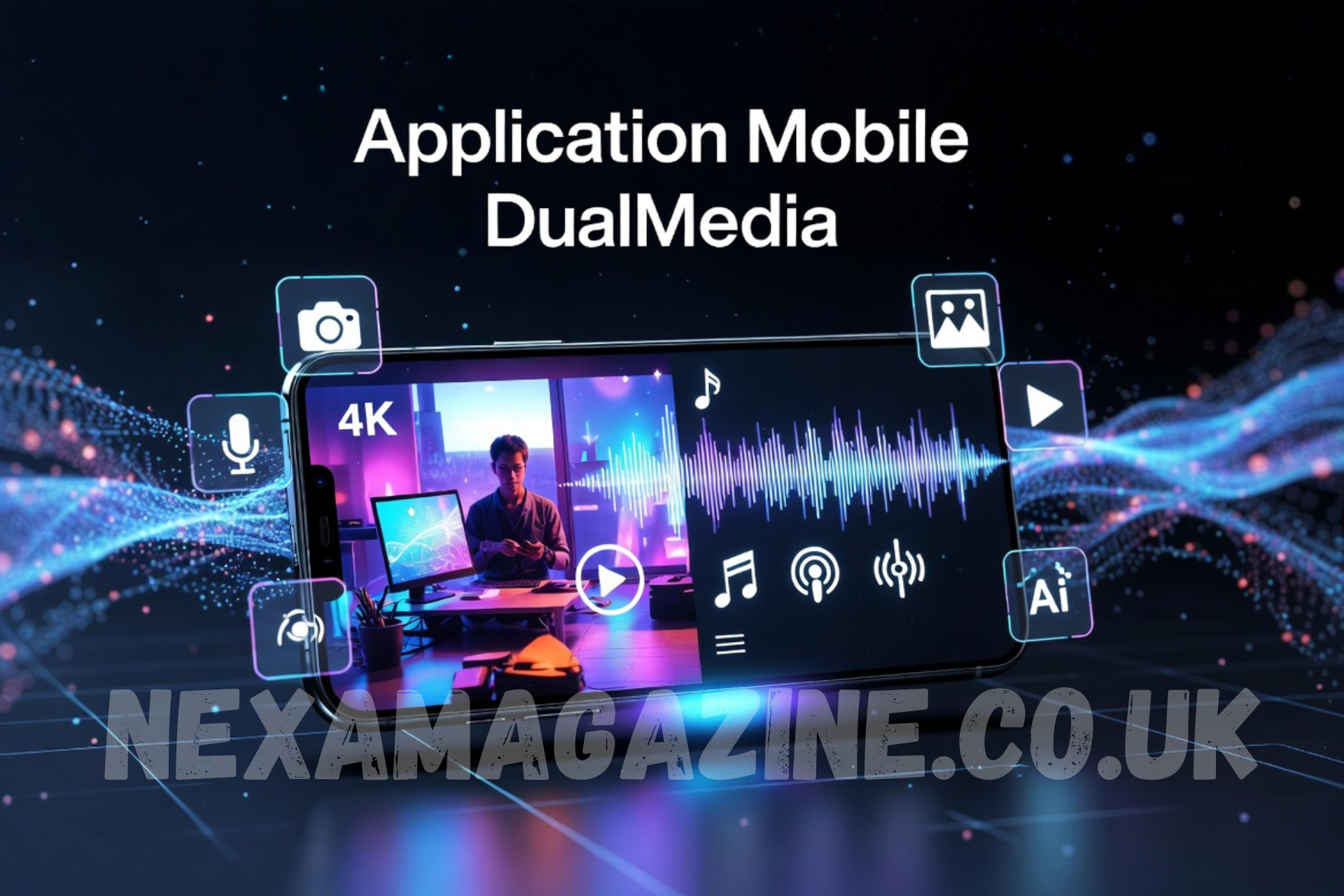
Application Mobile DualMedia refers to mobile applications that seamlessly integrate multiple media formats—such as video, audio, images, text, and interactive elements—within a single unified platform. Instead of switching between separate apps for streaming, editing, sharing, or consuming different content types, users get everything in one place.
In 2026, apps like the **agence application mobile dualmedia** are transforming digital experiences by combining simplicity with rich multimedia features. As mobile usage continues to dominate everyday life, these DualMedia-style applications help reduce friction, increase engagement, and create smoother interactions for creators, businesses, and consumers alike. Built with modern cross-platform frameworks such as Flutter and React Native, an agence application mobile dualmedia can deliver seamless performance across both iOS and Android while efficiently managing demanding media tasks. With smarter design, adaptive content, and user-focused functionality, these apps feel more natural, responsive, and human-centered than ever before.
Read More : Alexander Savin The Flying Elephant Memoirs of an Olympic Champion
Whether for content creation, entertainment, or professional tools, Application Mobile DualMedia solutions represent the next evolution in app design—prioritizing immersion without complexity.
Why Application Mobile DualMedia Is Growing in 2026
The rise of multimedia content, mobile-first audiences, and creator-focused platforms has increased demand for applications that combine multiple media formats into one experience. Businesses now prefer flexible mobile systems that improve engagement, accessibility, and user retention.
Quick Facts Table
| Aspect | Details |
|---|---|
| Name | Application Mobile DualMedia |
| Core Concept | Integration of 2+ media formats (video, audio, images, text, interactive) in one app |
| Primary Benefits | Seamless switching, reduced app clutter, enhanced engagement, cross-device sync |
| Common Technologies | Flutter, React Native, cloud storage (AWS, Firebase), AI media tools |
| Target Users | Content creators, brands, consumers, businesses |
| Availability | iOS & Android app stores; custom enterprise builds |
| Typical Use Cases | Media playback, live streaming, content creation, social sharing |
What Is Application Mobile DualMedia?
Application Mobile DualMedia describes a category of mobile apps engineered to handle dual or multiple media types simultaneously. Traditional apps often specialize in one format—think a dedicated video streamer or audio player. DualMedia apps break that barrier by combining them fluidly.
For example, a user might watch a video tutorial while accessing synchronized audio commentary, overlaid notes, or interactive graphics—all without leaving the app. This integration extends to creation tools, allowing podcasters to add video overlays or videographers to embed high-quality audio tracks.
The term has gained traction as mobile devices grow more powerful, with better processors, displays, and connectivity supporting rich media experiences. Developers focus on unified interfaces that feel intuitive, often incorporating customizable dashboards and offline capabilities for reliability.
Key Features of Application Mobile DualMedia Apps
Modern DualMedia apps stand out through several standout capabilities:
- Multi-Format Playback and Switching: Effortless transitions between video, audio, and hybrid modes. Users can start with a podcast and add visual elements on demand.
- Integrated Creation Tools: Built-in editors for trimming clips, adding effects, mixing audio, or generating captions using AI assistance.
- Cloud Synchronization: Real-time backups and cross-device access ensure content stays consistent whether on phone, tablet, or desktop.
- Social and Sharing Options: One-tap sharing to multiple platforms, with support for live dual-streaming (audio + video).
- Offline Access and Performance Optimization: Download media for later use, with adaptive streaming that adjusts to network conditions.
- Customization and Personalization: Dashboards tailored to user preferences, AI recommendations, and theme options.
- Security and Monetization: Robust encryption, in-app purchases, and analytics for creators to track engagement and earnings.
These features make the apps versatile for entertainment, education, marketing, and productivity.
Benefits for Users and Businesses
For everyday users, Application Mobile DualMedia eliminates the hassle of managing dozens of apps. A single platform handles entertainment, learning, and social needs, saving storage space and time.
Businesses benefit significantly. Brands can deliver immersive campaigns—combining video ads with interactive audio or AR elements—leading to higher conversion rates. Content creators gain unified tools to produce, distribute, and monetize across formats, streamlining workflows that once required multiple subscriptions.
Performance-wise, these apps leverage modern device capabilities for smoother playback and lower battery drain through optimized codecs. Cross-platform development also reduces costs and speeds up updates.
In competitive markets, companies using DualMedia approaches report stronger user retention due to richer experiences that keep audiences engaged longer.
Technical Foundations and Development

Building an effective Application Mobile DualMedia requires careful architecture. Developers typically use:
- Cross-platform frameworks (Flutter for consistent UI, React Native for JavaScript familiarity).
- Backend services like Firebase or AWS for media storage and delivery.
- Media processing libraries for handling formats efficiently.
- AI integrations for smart features like auto-editing or content recommendations.
Challenges include managing large file sizes, ensuring low-latency streaming, and maintaining compatibility across devices. Successful apps prioritize responsive design and rigorous testing for edge cases like poor connectivity.
Development costs vary widely. Simple showcase apps might start around €8,000–€25,000, while complex platforms with advanced features can exceed €100,000, depending on scope, team expertise, and timelines.
Real-World Applications and Use Cases
- Content Creation Platforms: Creators produce podcasts with video enhancements or short-form videos with layered audio.
- Education and Training: Interactive lessons combining video demonstrations, audio explanations, and quizzes.
- Social and Entertainment Apps: Hybrid feeds where users consume mixed media streams.
- Marketing Tools: Brands build apps for campaigns that blend product videos, customer testimonials (audio), and shoppable images.
- Enterprise Solutions: Internal tools for team collaboration on multimedia projects.
Examples include emerging platforms that consolidate streaming, podcasting, and sharing, allowing live sessions where hosts switch formats dynamically.
Why Application Mobile DualMedia Matters in 2026
Mobile traffic continues to dominate, and users demand more from their apps. Single-format solutions feel outdated when devices support high-resolution multi-media effortlessly. DualMedia apps meet this by offering depth without overwhelming interfaces.
Trends like AI personalization, foldable devices, and 5G/6G connectivity further amplify their potential. As attention spans fragment across apps, unified experiences win loyalty.
Businesses adopting these solutions position themselves ahead in user engagement and operational efficiency.
Source Verification
Information in this guide draws from industry analyses, developer resources, and technology publications. Key insights reference established web agencies like DualMedia, app development cost breakdowns from specialized firms, and trend reports on mobile innovation. Public records, official framework documentation (Flutter, React Native), and verified tech news sources underpin technical details. No unverified claims or promotional content from single vendors were used as primary facts.
FAQ Section
What is Application Mobile DualMedia exactly? It is a mobile app category that integrates multiple media types (video, audio, images, etc.) into one cohesive experience, allowing simultaneous or seamless access.
How does it differ from regular media apps? Standard apps focus on one primary format. DualMedia apps combine them, reducing the need for multiple downloads and improving workflow.
Are these apps available on iOS and Android? Yes, most are built cross-platform for broad compatibility, with native-like performance on both.
Who benefits most from Application Mobile DualMedia? Content creators, marketers, educators, and power users seeking efficient multi-media handling.
What technologies power these apps? Common stacks include Flutter or React Native for frontend, cloud services for storage, and AI libraries for enhancements.
How much does it cost to develop one? Ranges from €8,000 for basic versions to over €200,000 for feature-rich enterprise solutions, based on complexity.
Can I build my own DualMedia app? Yes, using no-code tools for simple versions or hiring developers for custom needs. Start with clear feature requirements.
Benefits of Application Mobile DualMedia
DualMedia applications can improve user engagement, simplify content management, support cross-platform experiences, and help businesses deliver richer multimedia interactions. They also reduce the need for separate tools by combining multiple content formats into one environment.
Conclusion
Application Mobile DualMedia represents a practical leap forward in mobile technology—delivering richer, more connected experiences by uniting multiple media formats under one roof. For users, it means convenience and immersion. For creators and businesses, it unlocks efficiency and engagement opportunities.
As the mobile landscape evolves, embracing DualMedia principles will separate standout apps from the rest. Whether downloading an existing solution or planning your own, understanding this approach equips you for the future of digital interaction.
As digital experiences continue evolving, Application Mobile DualMedia represents a shift toward more immersive, flexible, and user-friendly mobile platforms. Its importance is expected to grow further as creators, educators, and businesses increasingly rely on multimedia-driven engagement.
-
Example:
Emerging digital concepts such as Harouxinn, MMSBRE, and Puzutask com also reflect the growing demand for smarter and more integrated online platforms.
