



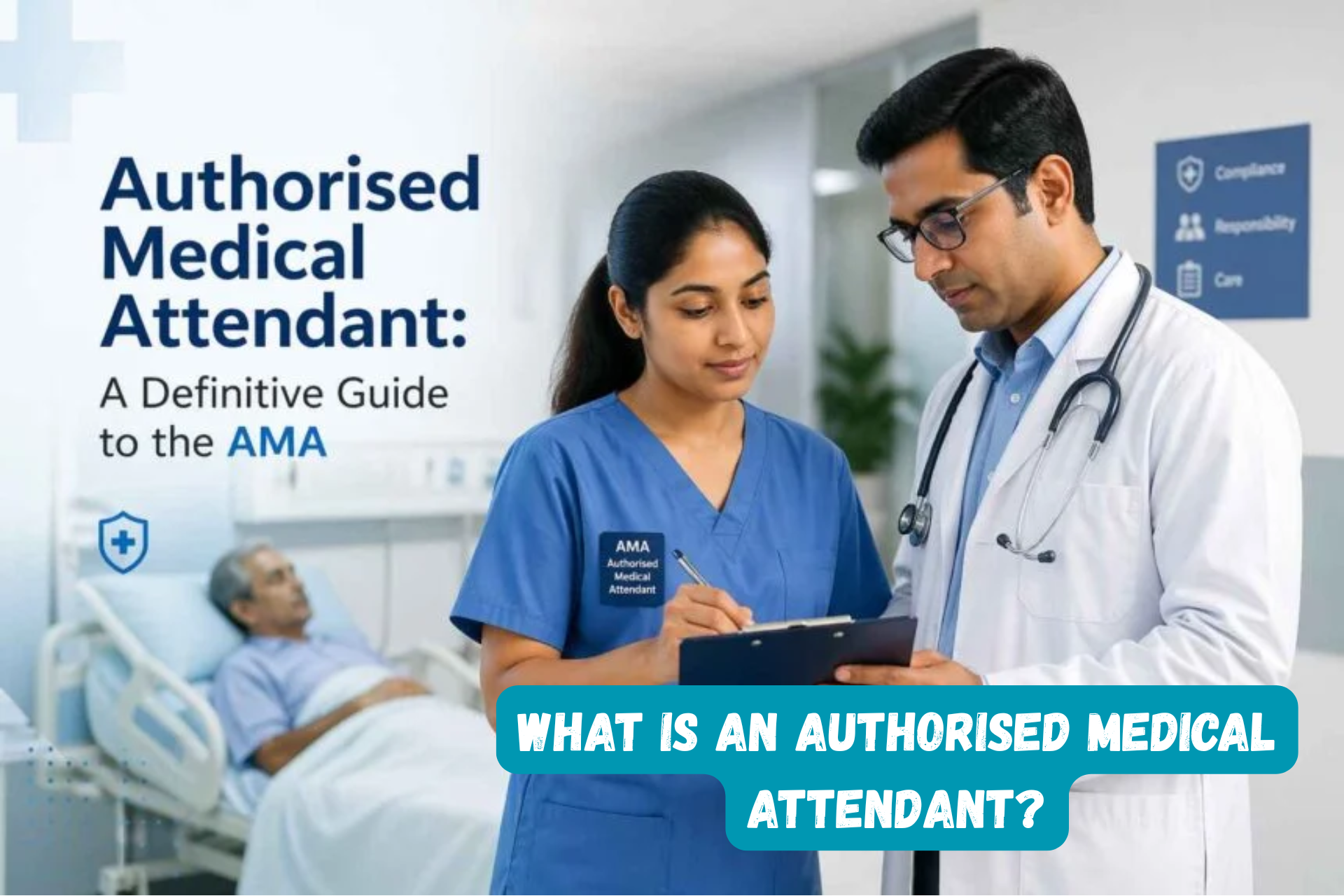
Have you ever wondered who oversees medical care and reimbursements for government employees and their families? An Authorised Medical Attendant (AMA) plays a vital role in this process. Whether you’re a central government servant in India, a family member, or simply curious about healthcare administration, understanding AMAs can make navigating medical benefits much easier.

In this article, we’ll explore the definition, duties, qualifications, and real-world significance of Authorised Medical Attendants in a clear, straightforward way.
Understanding the Role of an Authorised Medical Attendant
An Authorised Medical Attendant, often abbreviated as AMA, is a qualified doctor or medical officer officially approved to provide medical attendance and treatment to government employees and their dependents. This designation primarily operates under frameworks like the Central Services (Medical Attendance) Rules in India.
Read More ; BestShoesEverShop Spring 2026 Collection
Unlike a general practitioner you might visit privately, an AMA is empanelled or nominated by government departments. Their certification ensures that treatments, consultations, and related expenses qualify for reimbursement or direct coverage under official medical attendance schemes.
AMAs bridge the gap between patients and the healthcare bureaucracy. They handle everything from routine check-ups to recommending specialist care, while ensuring proper documentation for claims.

This system helps control costs while guaranteeing access to quality care. AMAs can be government hospital doctors or private practitioners listed on approved panels.
Key Responsibilities of an Authorised Medical Attendant
AMAs wear multiple hats. Their duties go beyond basic treatment to include administrative and advisory roles.
- Patient Assessment and Treatment: They diagnose illnesses, prescribe medicines, and manage ongoing care.
- Referral to Specialists: For complex cases, they recommend and coordinate with approved specialists.
- Documentation and Certification: Issuing medical certificates, fitness reports, and documents needed for leave or claims.
- Insurance and Reimbursement Support: Verifying treatments for government medical rules compliance.
- Preventive Care and Advice: Guiding patients on health maintenance, especially for chronic conditions.

In emergencies, AMAs ensure timely intervention and proper follow-up. Their involvement often determines whether a treatment is fully reimbursable.
Qualifications and Eligibility to Become an AMA
Not every doctor can serve as an Authorised Medical Attendant. Strict criteria apply:
- Medical Qualification: Typically MBBS or equivalent, with registration under the relevant medical council.
- Experience: Many panels require a minimum number of years in practice.
- Empanelment Process: Doctors apply through government notifications or welfare committees. Approval depends on location, specialty, and facility standards.
- Government or Private: Both central/state government medical officers and private practitioners can qualify if nominated.
Quick Facts Table
| Fact | Details |
|---|---|
| Primary Users | Central Govt. employees & families |
| Common Locations | India (CS(MA) Rules), similar in other govts |
| Qualification | MBBS + registration + empanelment |
| Validity | Usually 1-2 years per panel list |
| Key Benefit | Reimbursement of medical expenses |
This structured approval maintains high standards of care.
How Authorised Medical Attendants Benefit Patients
For government servants, consulting an AMA often means worry-free treatment. Expenses at approved facilities or from empanelled doctors are covered or reimbursed according to rules.
Patients receive coordinated care—AMAs track history, avoid unnecessary tests, and advocate when specialist input is needed. This is especially valuable for families with elderly members or chronic illnesses.
In non-CGHS areas, private AMAs expand access. Employees avoid out-of-pocket burdens for legitimate treatments.
The system also promotes accountability. Doctors on panels must maintain records and adhere to guidelines, reducing misuse.
Differences Between AMA and Other Healthcare Roles
People sometimes confuse AMAs with medical assistants or general practitioners.
- Vs. Registered Medical Practitioner (RMP): All AMAs are qualified RMPs, but not every RMP is authorised for government schemes.
- Vs. Medical Assistant: AMAs are fully qualified doctors; medical assistants handle supportive clinical/admin tasks under supervision.
- Vs. Specialist: AMAs can refer to specialists but usually act as the primary point of contact.

Understanding these distinctions helps patients choose the right provider for claims.
Challenges and Future of Authorised Medical Attendants
Like any system, challenges exist—limited panels in remote areas, paperwork delays, or awareness gaps. However, digital initiatives (online empanelment, e-claims) are improving efficiency.
With rising healthcare costs, the AMA framework remains crucial for sustainable public medical benefits. Expanding panels and integrating telemedicine could further strengthen it.
FAQs About Authorised Medical Attendant
1. Who can consult an Authorised Medical Attendant? Central and state government employees, along with their eligible family members (spouse, children, dependent parents), can seek services from AMAs under applicable rules.
2. Is treatment from any doctor reimbursable? No. Reimbursement usually requires consultation with or recommendation from an approved AMA, except in genuine emergencies.
3. How do I find an AMA near me? Check your department’s website, CGHS/ welfare committee lists, or local government health notifications for empanelled doctors.
4. Can private doctors become AMAs? Yes, private practitioners can join approved panels after meeting eligibility criteria and government approval.
5. What documents does an AMA provide? They issue prescriptions, medical certificates, referral letters, and claim-related documents essential for reimbursement.
Conclusion: The Essential Role of Authorised Medical Attendants
An Authorised Medical Attendant is more than just a doctor—they are a trusted partner in managing health within structured government systems. By combining clinical expertise with administrative oversight, AMAs ensure employees receive quality care without financial strain.

Whether you’re a beneficiary or aspiring healthcare professional, recognizing the value of AMAs highlights the importance of organized medical support. Staying informed about your entitlements and approved providers empowers better health decisions.
If you’re a government employee, review your department’s latest AMA panel today—it could simplify your next medical visit significantly.
